Written August 2026 · About 8 min read
So Many Fitness Apps — The Missing One Actually Knows You
Six or seven years ago, learning to train meant following a dozen different creators. Long-form videos on YouTube, channel after channel on Bilibili. Each one covered a slice: form cues, meal planning, supplements, anatomy.
The content was good. It was just scattered everywhere. You had to assemble it yourself, remember it yourself, plan it yourself. Six or seven years later, only the format has changed.
Short-form arrived, and there are more creators than ever. One minute on a lift, thirty seconds on a common mistake, published faster and in far greater volume. But open your saved folder and see if this sounds familiar: nothing you meant to learn got smaller, nothing you saved got smaller, and the things you never understood are still exactly as confusing.
Knowledge went from scattered to more scattered. From one hole to ten. In the long-form era I was lucky to find creators who really knew their craft — Jeff Nippard, Jeremy Ethier, Athlean-X — and each of them explained their own domain thoroughly. But thorough is not the same as connected. The knowledge still lived in separate places, and applying it to my own body was still trial and error.
So I ran my own trial and error, took plenty of wrong turns, trained a lot, and changed very little. Most people on this path aren't lazy. They train for a while, see nothing change, have no one beside them for support or accountability, and slowly drift away.
Later I did a proper cut. Using everything I'd picked up, I structured my diet and training and got down to 8% body fat.
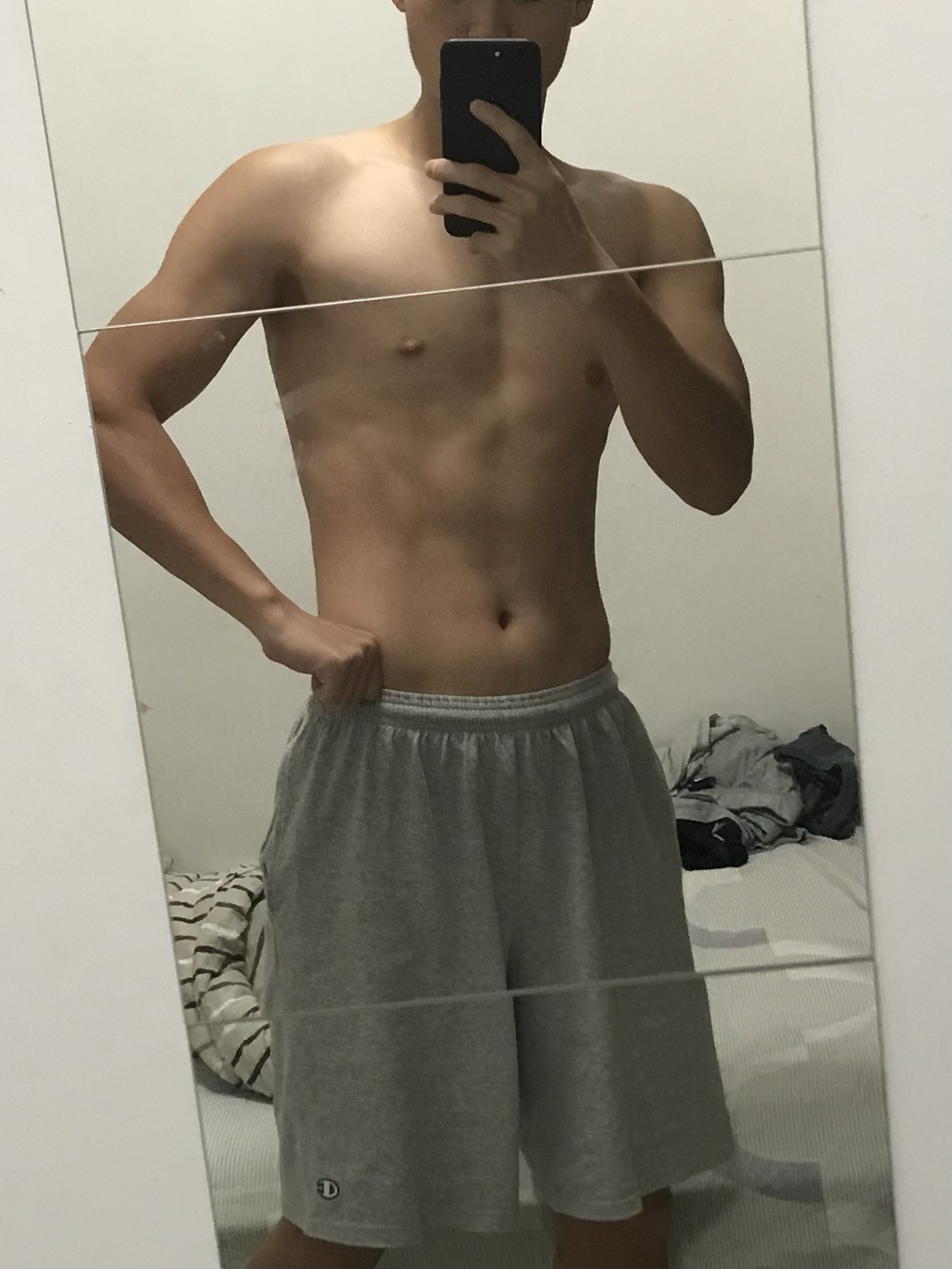
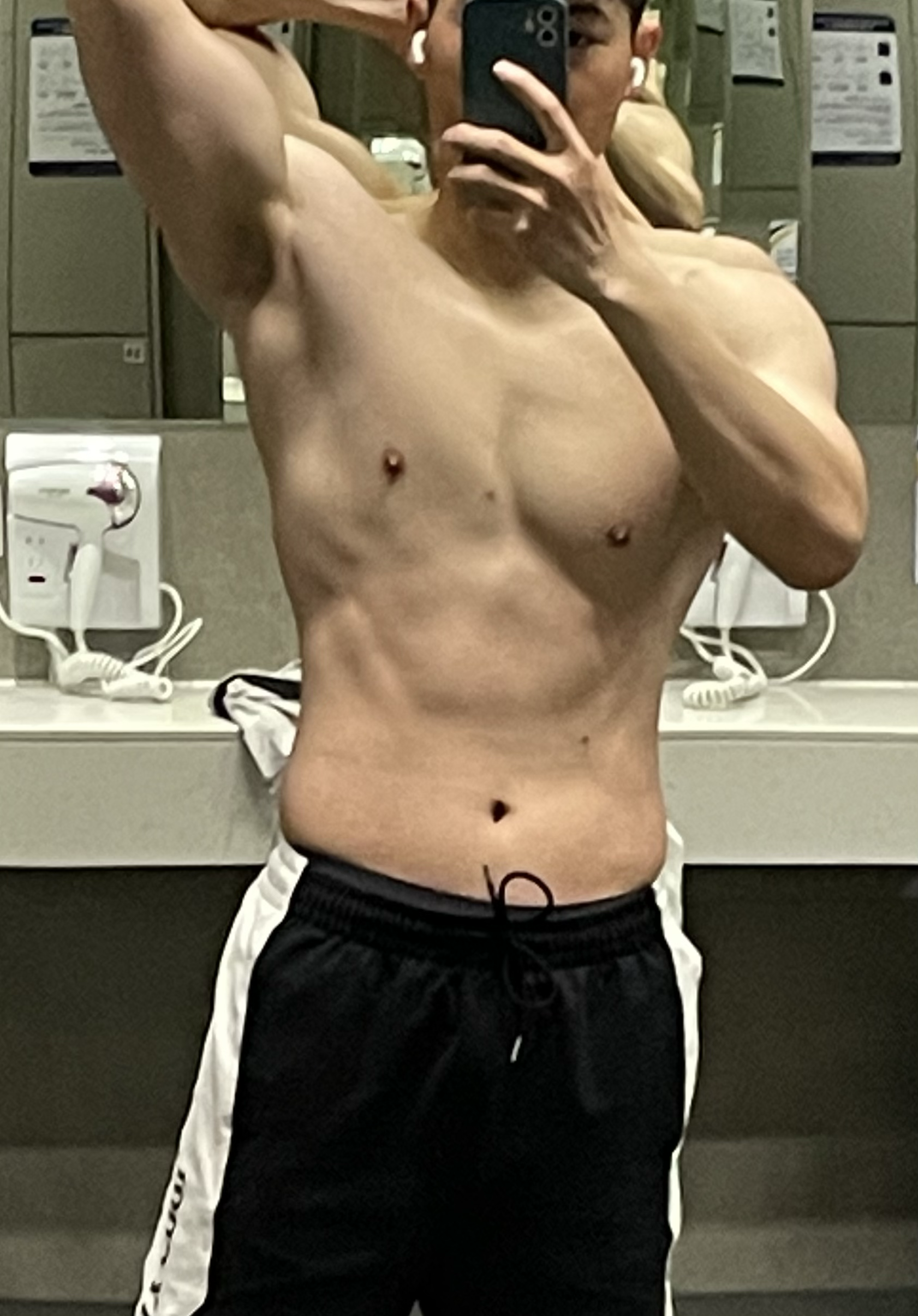
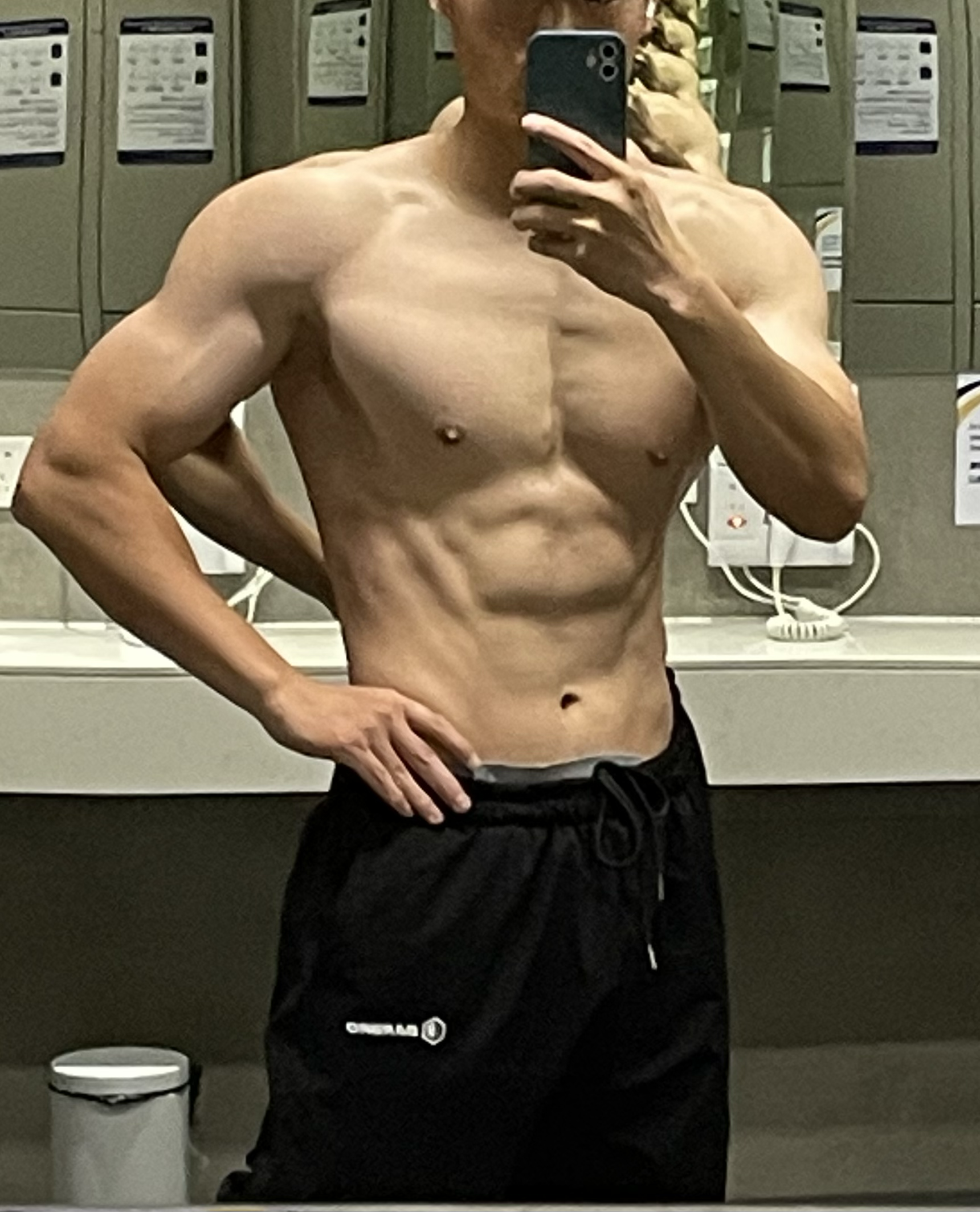
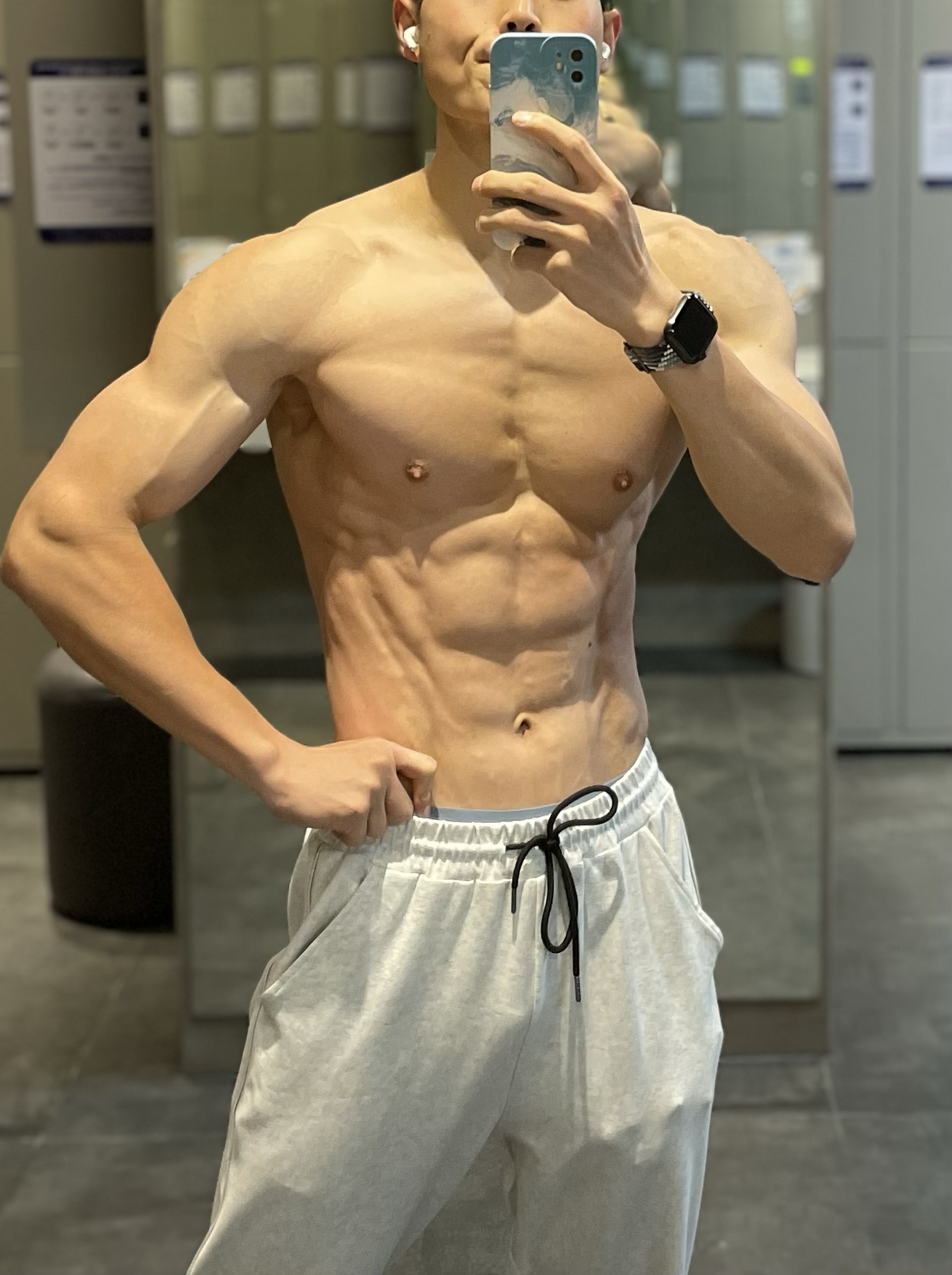
Then I studied properly and earned my NSCA-CPT, and it made something clear: fitness is more than a training plan, and more than counting calories. It touches training, nutrition, recovery, anatomy, sports psychology, long-term habits, and how your body feels right now. It's different for every person, and different at every stage.
Real change needs advice that keeps adjusting over the long run. Back then your only options were to build that expertise yourself or hire a coach — and the wildly uneven quality of coaching is still something people complain about today. Fitness apps could log, and not much else. Nothing actually understood what you were doing, remembered how you'd changed over months, and gave you guidance that fit the moment.
In the last two or three years, large models changed that. AI can follow plain language, read an image, remember your habits, and thread scattered information into advice you can use. That's when I started designing and building FitFo. Two and a half years, just like that.
I've tried nearly every popular fitness app out there. It only confirmed one thing: nobody needs another fitness app. Workout logging, training plans, nutrition tracking, exercise libraries, courses, community — every one of those directions already has someone doing it well.
What I kept missing was a different layer. Standing in front of an unfamiliar machine with no idea what it trains. Sitting down to eat and finding it tedious to log item by item. Working late, the plan is blown, and you don't know how to adjust. The tools, the content, the services all exist — but "what do I do next" is still something you assemble yourself. That's the missing piece FitFo wants to fill.
It starts with "seeing where you are." Recognize the machine in front of you, understand your goal and how your body is doing, and turn that into a next step you can act on and change at any time. Then keep training, nutrition, and progress in one long record you can look back on.
I've thought hard about what AI should do here. It shouldn't be one more chat box, and it shouldn't be dressed up as an all-knowing personal trainer. What it can do is lower the cost of every decision, so each thing you log connects naturally to the next thing you do.
Training itself shouldn't be the thing that stops you
It starts the moment you walk into the gym. You're standing at an unfamiliar machine, unsure what it trains or how to brace. Open FitFo, and AI recognizes it — what it is, what it works, how to set up. That removes the hesitation of "what should I train."
Once you know what, the next question is how heavy and how many sets. AI doesn't just recognize the machine. It remembers last week's sessions, knows you trained shoulders yesterday, that you're feeling normal today, and that you're building muscle. So it won't hand you a generic plan — it won't push heavy on a tired day, and it knows what range to reach for on a good one. That removes the second-guessing of "how much should I do."
Then comes the record. Training, nutrition, weight — AI keeps them on one timeline. Not logged and forgotten: today's data shapes tomorrow's advice. Two months later you can see the whole trajectory at a glance, without piecing an answer together across several apps. That removes the uncertainty of "I've been at this a while — am I actually making progress?"
FitFo is more like a training partner that understands you better the longer you use it. People who've trained for years shouldn't need endless trial and error to know what's right, and logging food and workouts shouldn't feel like a chore.
Training alone means no feedback, no back-and-forth, and nobody calling out "one more" when you're at failure. A lot of people don't quit because they stopped wanting it. They quit because it got lonely. So we're building a cyber training buddy — not an anonymous avatar on a leaderboard, and not a social relationship you have to maintain. A virtual partner that trains alongside you.
You trained legs today, so did it. You hit a PR, and it's happier about it than you are. You go quiet for a few days, and it knocks: "Hey. Time to train."
The more you train, the better this buddy knows you
Gamification shouldn't be check-ins, points, and leaderboards. It should make persistence feel accompanied, answered, and visibly growing — so on the days you'd rather not train, knowing someone is waiting gives you one more reason to head out.
The name「健否」(Jiàn Fǒu) goes back to university. It was our shorthand for asking friends to train — someone would drop "健否?" in the group chat, and we'd hold each other to it. Later it became a question I asked myself daily. The name stuck, and it can mean more now: ask yourself whether you let something slip this year; ask a friend if they're free this weekend to lift; ask a coach whether you're bracing correctly.
FitFo is still on its way. We want to do one thing seriously: become the training partner that actually knows you. Not just to keep you company, but to let people who train together see and push each other — that's how anyone goes the distance.
Beta signups open on August 8, China's National Fitness Day. Tap "Join the waitlist" on the home page to take part — 100 spots in the first round, and we'd love to hear what you honestly think after trying it. Finish the beta and you may receive a full-year subscription. Any questions, reach us through the Support page linked in the footer.